















Community types

Find the way of living that fits your vision

The community types linked below are intended to point you to the best resources for joining or creating successful ICs of the type you’re interested in. You’ll find multiple resources for setting up time-tested frameworks for effective cooperation. Some of these types of residential intentional communities share an indoor or outdoor space for recreational or work resources, but they don’t necessarily share living or work space on a consistent basis.

Each page gathers resources for joining or creating that kind of community, plus the members and consultants featured there, so a type page is also a place to find your people.

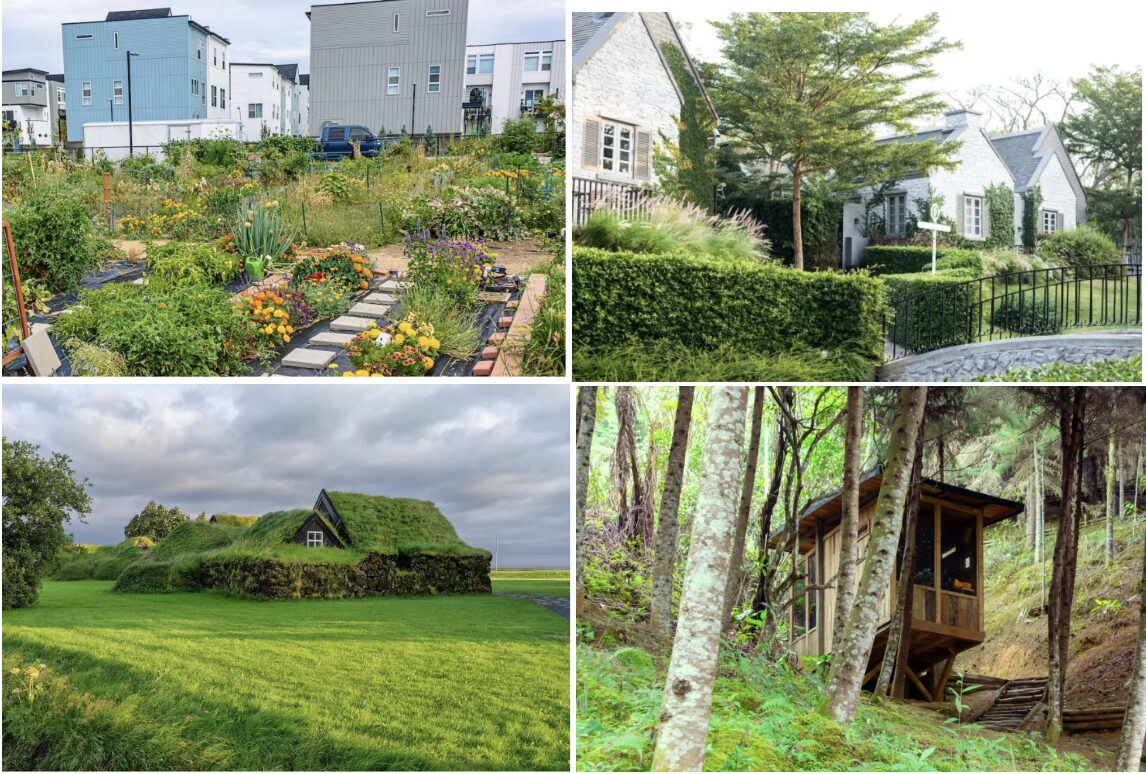
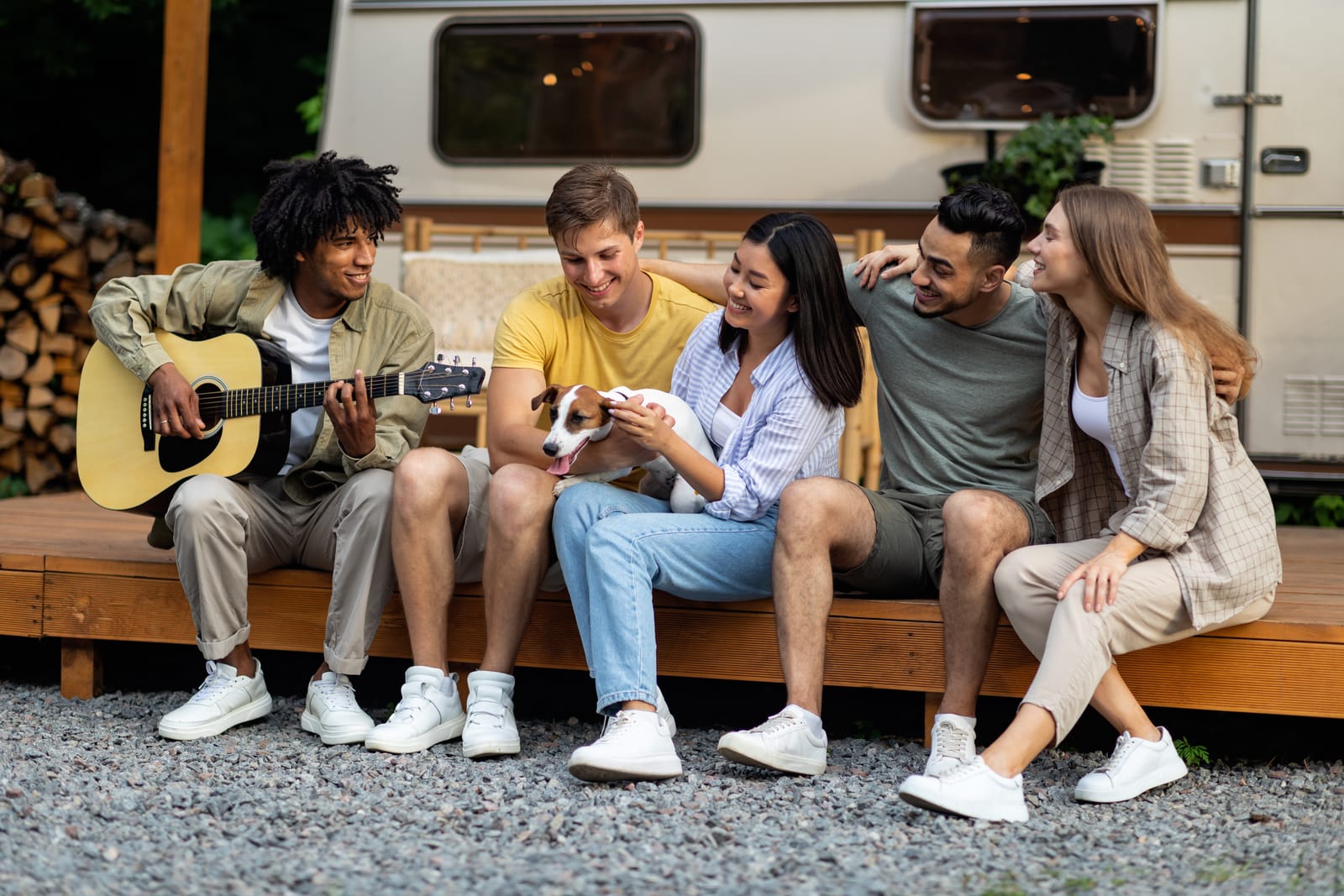
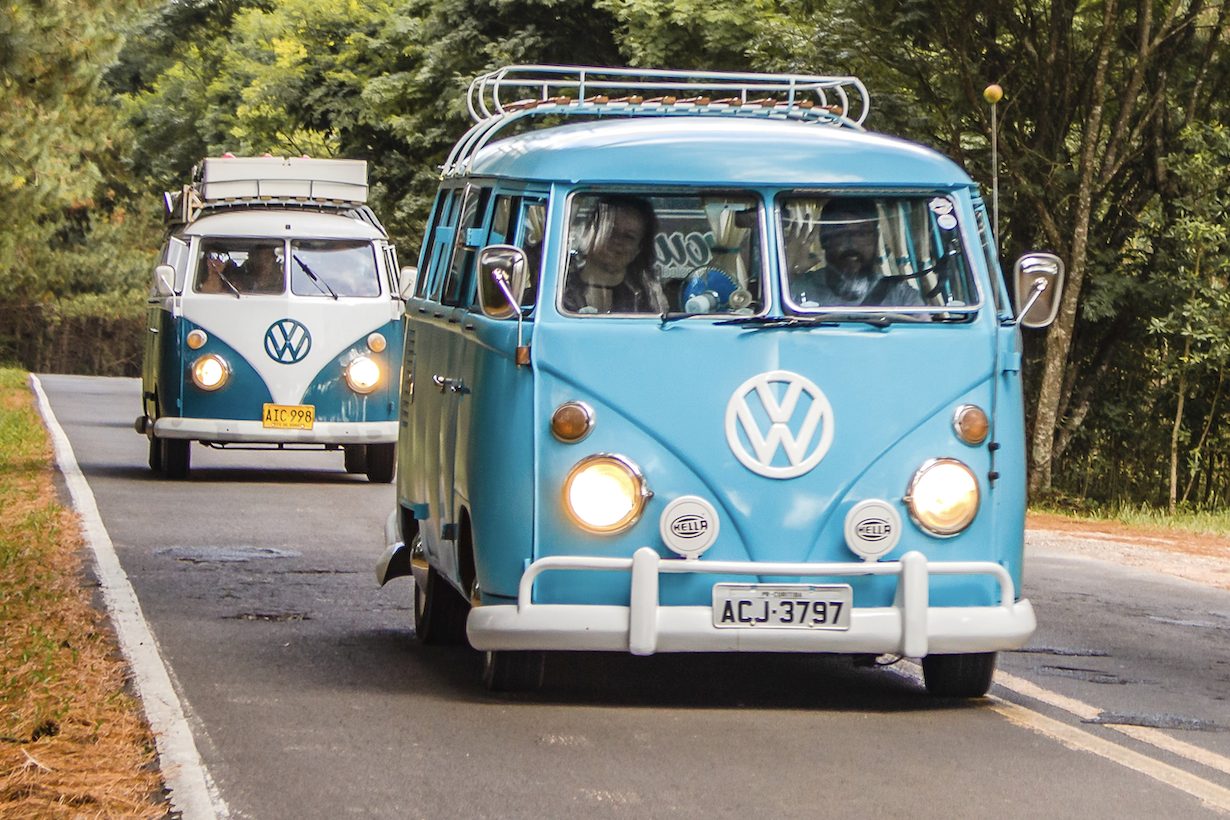
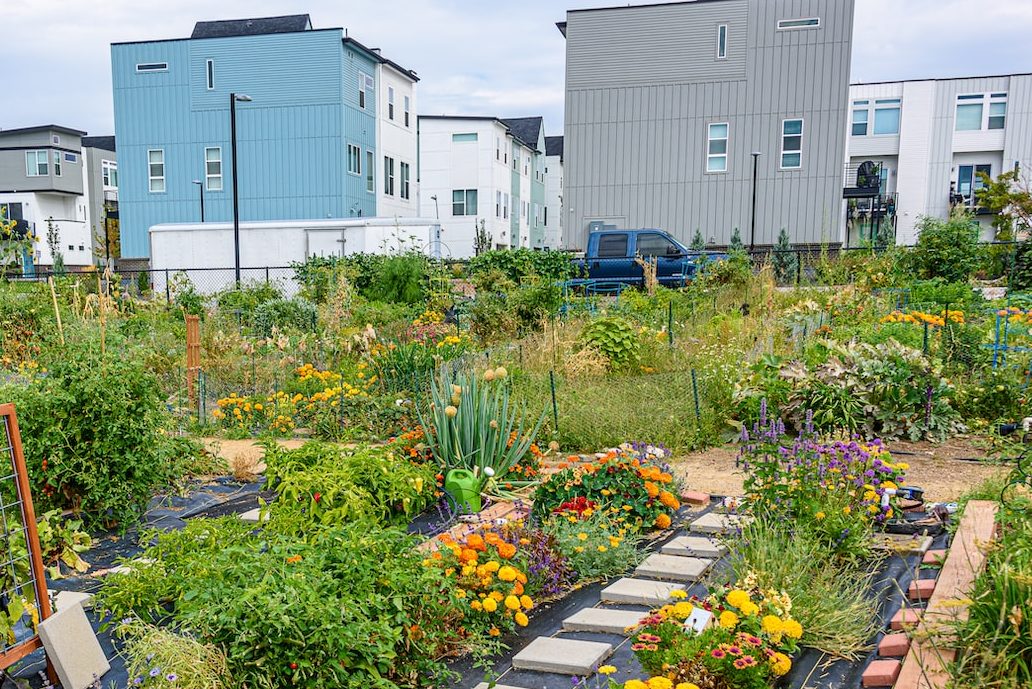
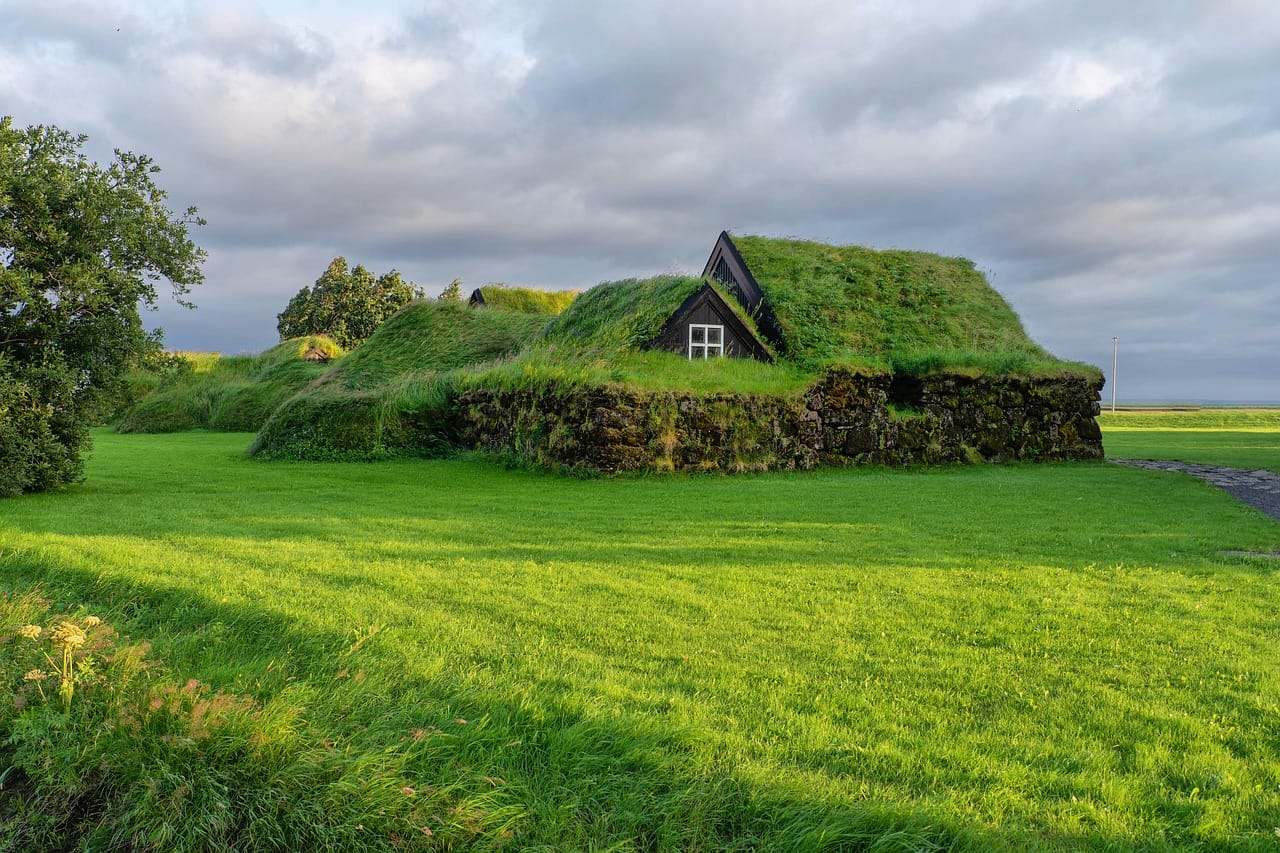
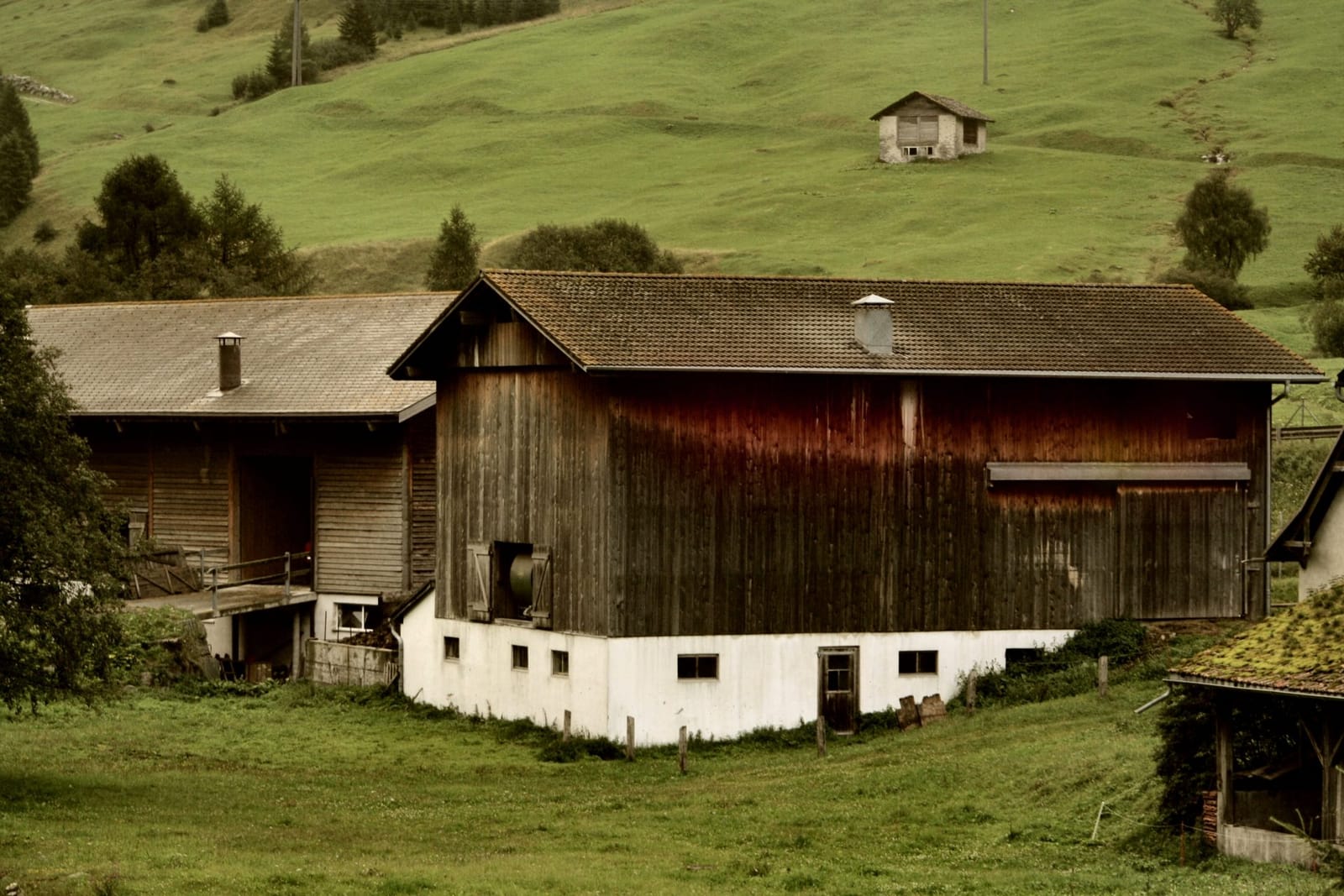
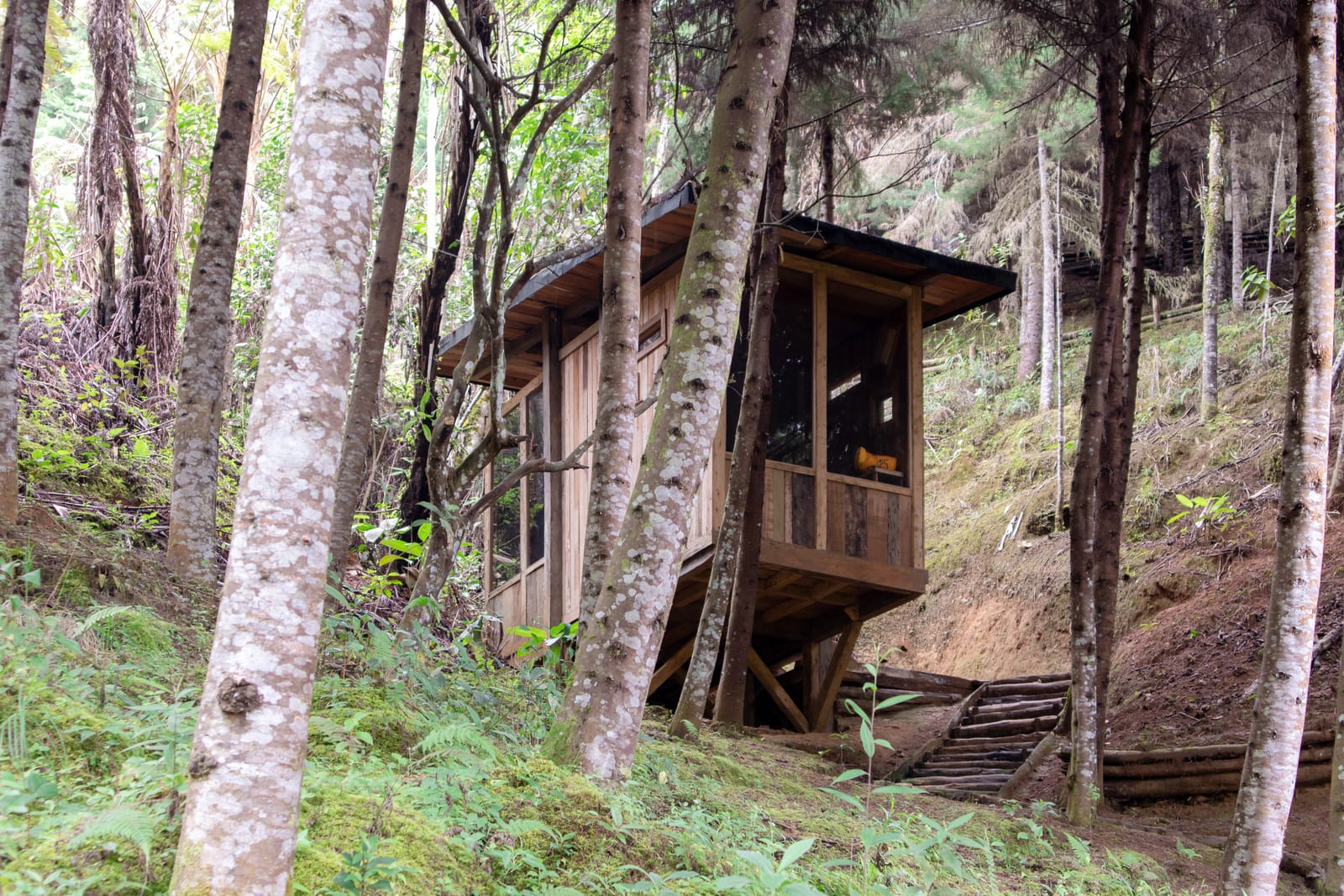
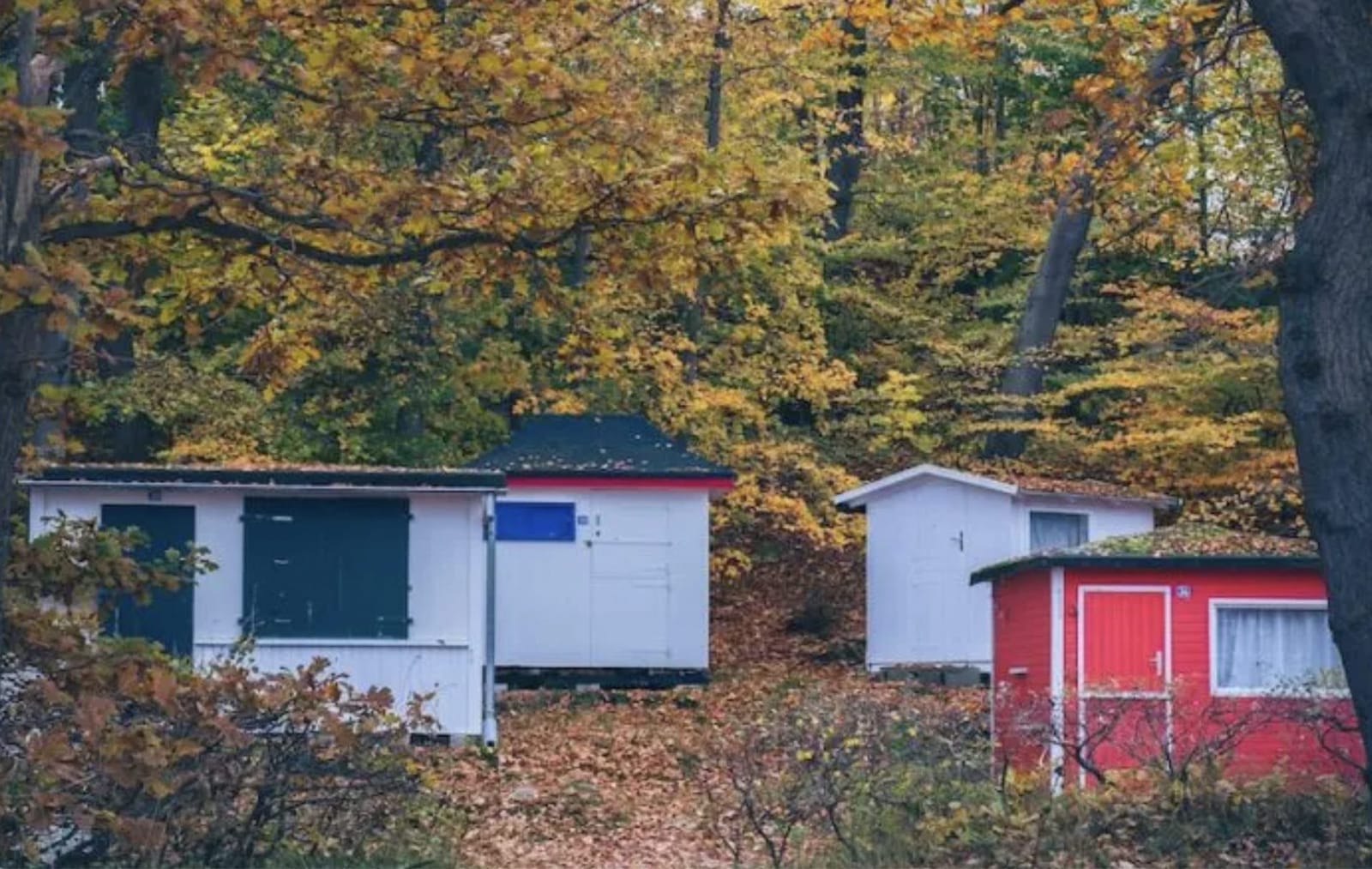
Four kinds of shared living: garden homes, hedged houses, a sod-roof house and a forest cabin
Visibility boost

Get featured on a community-type page

Does one of these types match the community you want to build or join? Feature your profile on its page so the people exploring it find you first. Your profile stays searchable on Match for Free either way.

  • Members appear under “Featured members” on each page they choose.
  • Consultants appear under “Featured consultants” for the types they serve.
  • Featuring is free while the new site launches.

How are all types of intentional community similar?

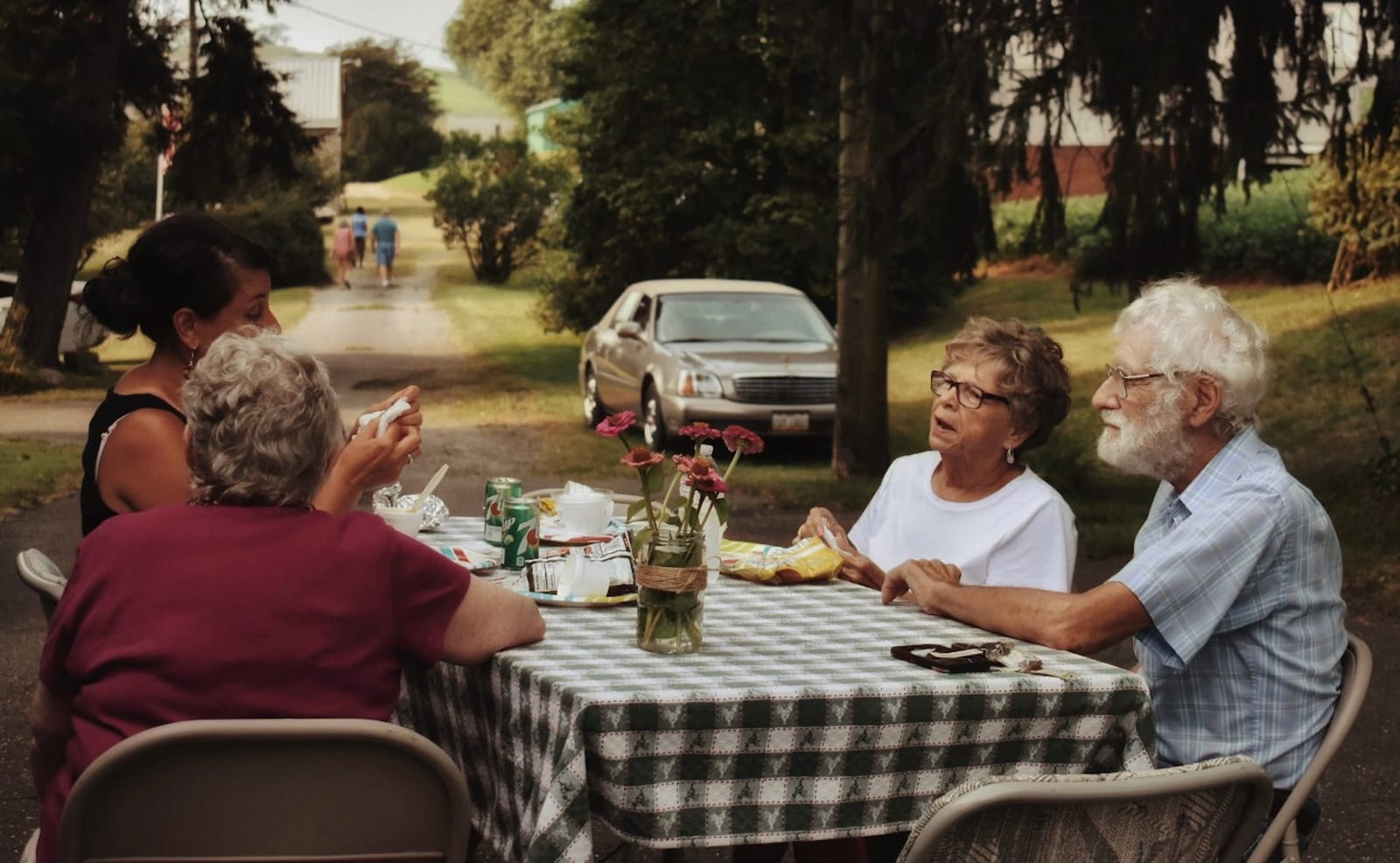
Residential intentional community goes deeper than sharing housing or living in the same housing cluster. Intentional community includes some degree of sharing values, resources, and time. Camaraderie and a shared purpose are part of the appeal. Sociologists have identified three conditions to making close friends: proximity, repeated unplanned interactions, and an environment that encourages people to let their guard down and confide in each other.

Many have commented on the difficulty of maintaining friendships in our busy lives. During teen and young adult years, sociability is typically a frequent part of life. In later adulthood, it can be harder to make new friends and find time for the friends we have.

While community life does require that members consider others’ needs and preferences more often, which can be inconvenient, intentional community is an opportunity to recapture a sense of strong social connection. Many alternative housing solutions also offer significant practical benefits such as shared resources that increase your quality of life without increased expense.