A tiny house community is a form of intentional living where multiple small-footprint homes share land, resources, and infrastructure within a specific geographic area or local municipality. Residents tend to believe in voluntary simplicity, content with fewer possessions. A tiny house does away with the excess, giving you just enough space to live, while the majority of your time can be spent outside of the home and in your community. With housing affordability in crisis, and people yearning for connection, perhaps it is time to build a tiny house community! Read on to learn how to start a tiny house community of your own.
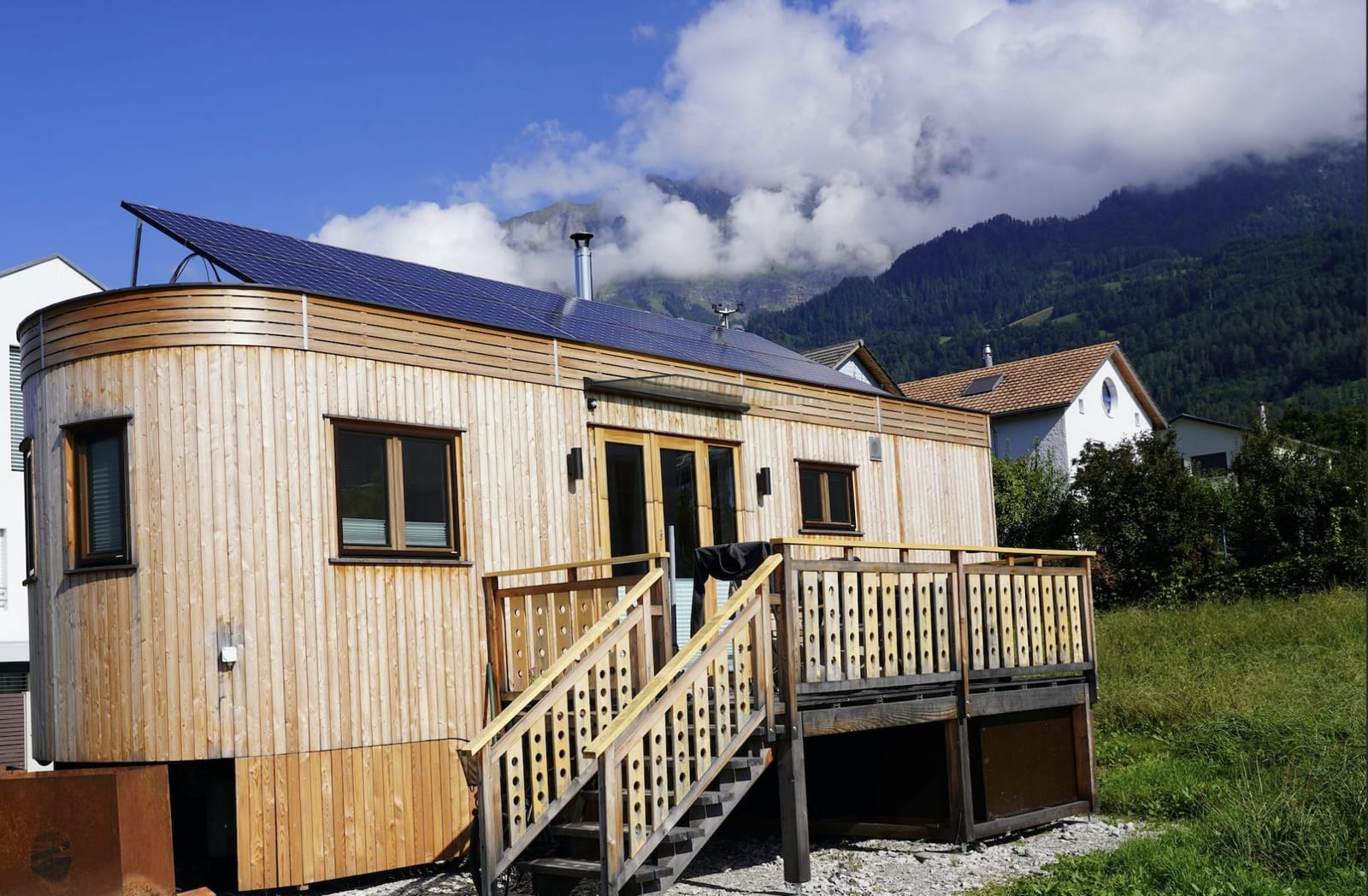
Tiny House Community
Featured consultants
Consultants for tiny homes community
Professionals with deep experience in this kind of community who chose to be featured here.
Browse all consultants → · Are you a consultant? Get listed
Featured members
Members interested in tiny homes community
Communitarians who chose to be featured on this page. Coordinators are more likely to be offering a space or work-trade; others are more likely to be seeking.
Resources
Tiny Homes Spirit: A mapped directory of tiny home projects.
The Village Collaborative: A map of projects and people interested in tiny homes villages for homeless people.
In Our Hands is building small energy-efficient houses on a South Dakota reservation.
SquareOne has a toolkit that includes sample tiny home blueprints, models of affordable village setups, and much more.
Where to legally put a tiny house? Regulations can vary by city and county/province.
British Columbia site: Lists tiny home rental space, sometimes for work/trade.
In the U.S. the following states are listed in order of tiny home friendly ordinances: California (San Diego, Fresno), Oregon, Texas (Spur), North Carolina, Florida, Colorado, Washington, Arizona, New York, Utah, Georgia (especially Atlanta), Idaho, Indiana, Maine, Nebraska, New Mexico, Pennsylvania, Kentucky, and Kansas (allows tiny homes on foundations not wheels).
Microhousing rezoning could be an easy sell to local governments where housing costs more than most people can afford.
Mobile home parks: These are simply a larger version of the same concept, but “trailer parks” have a bad reputation.
Legal definitions can vary by jurisdiction. Tiny homes may be considered RVs. Know the between a mobile home park and RV park.
ROC USA, LLC helps resident-owned U.S. corporations buy their manufactured home communities or mobile home parks from private community owners to make resident ownership possible nationwide.
Help the cause: Sign a petition. The International Code Council (ICC), in collaboration with the Tiny Home Industry Association (THIA), is developing a new standard, ICC/THIA 1215, initially intended to standardize tiny houses on wheels and advance Appendix Q provisions for tiny homes. However, the standard’s focus has shifted significantly to encompass “Small Residential Units” (SRUs), defined as dwellings 1200 square feet or less, potentially making tiny houses a subcategory. Tiny home advocates believe this is important to oppose because they fear the SRU designation, an undefined and unenforceable term, will dilute the specific needs and regulatory progress made for tiny houses. They argue that the ICC’s actions violate ANSI essential requirements for fair, open, and balanced standards development, citing concerns about dominance by certain interests, lack of transparency regarding substantive changes, and an imbalanced voting committee, all of which could hinder the appropriate codification and acceptance of tiny homes as a viable housing solution.
First ever advertisement on this page, posted for an ICmatch member who is an ardent animal rights activist and vegan!
reduced price of $24,500